Videos on this page
- 1
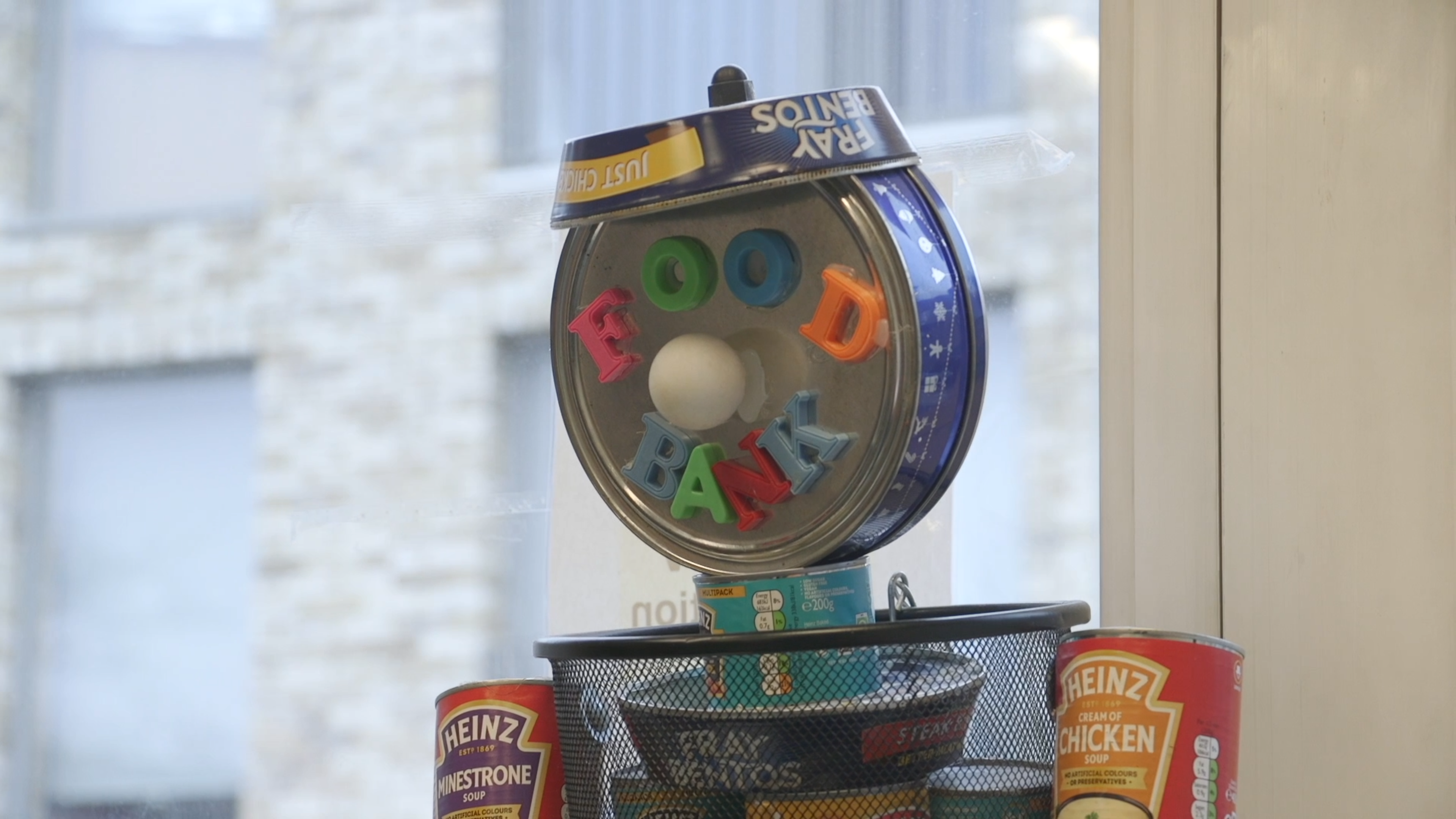
Who are Bow Food Bank? A short introduction to the team and the community context (Tower Hamlets, East London).
- 2
How Plinth helps Bow Food Bank. A walk through how the Plinth platform supports the day-to-day operations the charity described: parcels, impact, and insight for planning.
First video: Who are Bow Food Bank?
Who are Bow Food Bank?
About Bow Food Bank
Bow Food Bank is an East London-based organisation that supports people who are facing food insecurity, working in Tower Hamlets—one of the most deprived areas in the capital. Their work is about dignity as well as calories: making sure the right help reaches the right people, and that the service can be steered with evidence, not only instinct.
In day-to-day terms, that has meant being honest about a gap: there was not an off-the-shelf software product that could power the full operating model they needed. When they approached us last year, the ask was direct—software that could support operations so guests (food-bank users) can select food parcels, measure impact over time, and surface insights about trends in who is requesting help. That matters for planning, for resource allocation, and for understanding whether the service is delivering what the community needs. A solution had not really existed, until the work we have done together.
The challenge
Before this kind of end-to-end workflow exists, many teams are stuck between good intentions and brittle tools. Front-line staff use whatever they can: spreadsheets, paper sign-in sheets, scattered forms, and memory passed between shift patterns. None of that is a criticism of the people involved—it is what happens when software was not designed for the real constraints of a food support environment.
The challenge for Bow was not "more data for its own sake". It was operational: help guests with parcel selection, protect dignity and choice where possible, and at the same time build a defensible view of need over time. Without that, you cannot have an honest conversation about where to put limited stock, time, and volunteer capacity, or about whether long-term support routes are working. The gap was a platform that could sit in the middle—between day-to-day delivery and the reporting that makes planning possible.
The solution
The response has been to build a purpose-led workflow in partnership: software that is shaped around how a food bank in a high-need area actually works. That means connecting the "shop floor" of parcel selection and guest interaction with a structured record of who is using the service and how that changes—without losing sight of confidentiality, policy, and trust. The aim is a single, coherent way to work instead of a patchwork of ad hoc workarounds.
In practice, Plinth becomes the place where that operational and measurement layer can live: helping staff and volunteers do more consistent work, see patterns, and make decisions with clearer information. The second video on this page walks through how that support shows up in Bow Food Bank’s use of the platform.
Bookings, registers, and community touchpoints on Plinth sit alongside the wider product family: grant and programme management, case management, and impact tools used by funders and public-sector partners. The same design instinct applies—connect what happens on the ground to what you can learn from it, without dumbing the context down to a single spreadsheet row.
In practice on the platform
How Plinth helps Bow Food Bank
After go-live, the work is not "install and forget"—it is a cycle of small improvements as real guests, volunteers, and data flows hit the system. We stay close to teams like Bow’s so that the software keeps pace with the nuance: stock constraints, language needs, safety, and what "good" looks like for people who are already under strain.
If you are comparing a lightweight booking page with a broader platform, the right question is often: where does the truth of your work live, and can you get from that truth to planning and fundable evidence without a manual merge every month? This case study is one way of answering that for a food-bank model; other Plinth customers answer it for advice, family hubs, grant programmes, and more.
Relevant product areas: community and venue bookings, impact reporting, and the wider product bundles for infrastructure and local government partners where those apply.
Results
This project is about sustained operations in a very demanding environment, not a one-day launch announcement. "Results" look like fewer broken handoffs between people and systems, clearer information for planning, and a fairer way to test whether the service is reaching the right people over time. Quantitative public metrics should always be agreed and published in line with Bow Food Bank’s own comms, governance, and privacy position—the important point here is that the capability to measure and learn is in place, where a generic tool could not.
| Area | Before | After |
|---|---|---|
| Parcels & guest journey | No single, purpose-built way to run parcel choice and end-to-end guest touchpoints in software built for a food-bank model. | A structured workflow in Plinth aligned to how Bow’s team and guests need to work, with room to iterate. |
| Impact and trends | Harder to see change over time and to relate activity to longer-term need when systems do not line up. | Clearer, consented, structured information to look at who is using the service and what that implies for planning. |
| Planning and efficacy | Weaker line of sight from day-to-day delivery to the evidence teams need to steer stock, volunteers, and services. | A stronger link between what happens on the ground and the reporting that makes planning and improvement conversations possible. |
Frequently asked questions
- What is Plinth?
- Plinth is a software platform for charities, funders, and public-sector teams. It brings together things like community bookings, grant and programme management, case work, and impact reporting—so teams can run services and show what changed, in one place instead of a patchwork of spreadsheets and ad hoc tools. It is not a single-purpose 'food-bank only' product.
- Is Plinth only software for food banks?
- No. This case study is about Bow Food Bank, but Plinth is built for a wide range of community organisations, infrastructure bodies, and funders. Food banks are one example of a team that needs reliable operations, consent-aware records, and clear impact reporting. Charities, councils, and place-based partnerships use it for very different use cases as well.
- What can Plinth do for a local charity or food support service?
- Depending on the setup, Plinth can support community-facing services (e.g. bookings, directories), structured programme or grant management, and reporting that helps you understand who you reach and what happens over time. The goal is to make day-to-day delivery easier while building an evidence base for funders, boards, and partners.
- Is Plinth only for local authorities?
- No. Plinth is used by small charities, infrastructure organisations, and public-sector teams. Local authorities often care about the same things—multiple programmes, data across partners, transparent reporting—so the platform fits that scale too, but you do not need to be a council to use it.
- How does this relate to ‘impact’ and service planning?
- Services like Bow Food Bank need to know not just how many parcels go out, but what that means over time for planning, equity, and efficacy. Plinth is designed to connect front-line activities with better structured data, so teams can look at patterns (within privacy and policy constraints) and make informed decisions about how to run the service.
- Where can I learn more about Plinth’s product areas?
- Start with the Plinth product pages and guides—for example community bookings, impact and reporting, grant management, and case management. Your needs may map to one area or a combination, depending on how you work with people and data.
Author

Sean Sinanan
Impact Lead
Oxford (PPE) graduate: social mobility, youth empowerment, and TechForGood work after the Civil Service—focusing on how technology can be used for community benefit, including social impact (see our team page for the full profile).
Sean on LinkedInRelated reading
This page is published by Plinth (the product team behind the software) as part of our work to explain how organisations use the platform. Bow Food Bank are an independent charity; the charity’s inclusion here does not imply that they endorse every statement Plinth might make in other areas of the site, or that every detail of product capability applies identically in other regions or settings. Facts we attribute to their context (e.g. geography, the nature of the partnership) are offered in good faith; numbers and public claims about outcomes should be confirmed and published in line with the charity’s own sign-off and privacy policy. The videos are hosted on Plinth’s public YouTube channel. Sean Sinanan, Impact Lead, wrote this article from a product and partnership perspective; the bio draws on the same public profile as our team page. If you spot a correction, contact Plinth and we will update the page.