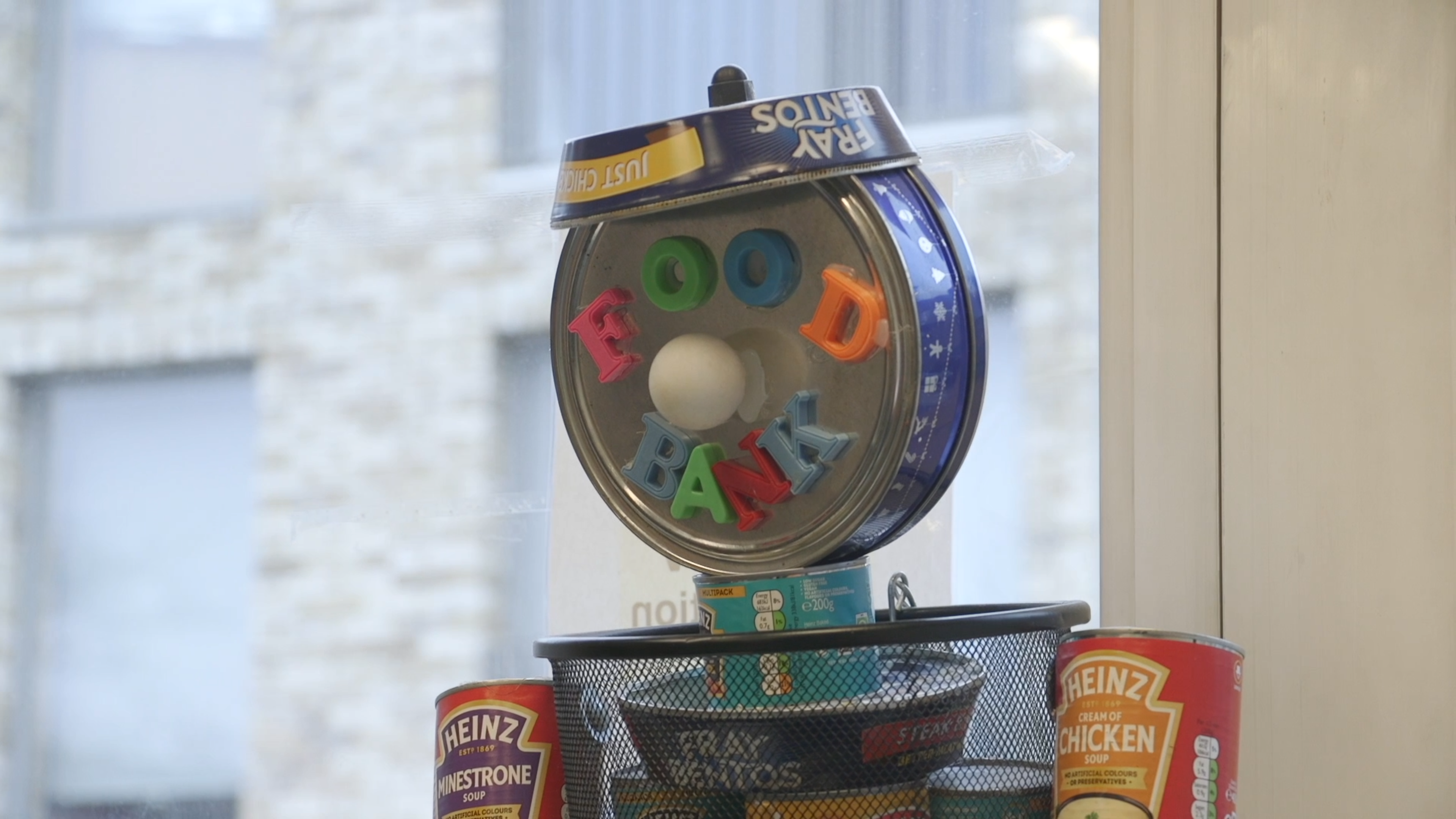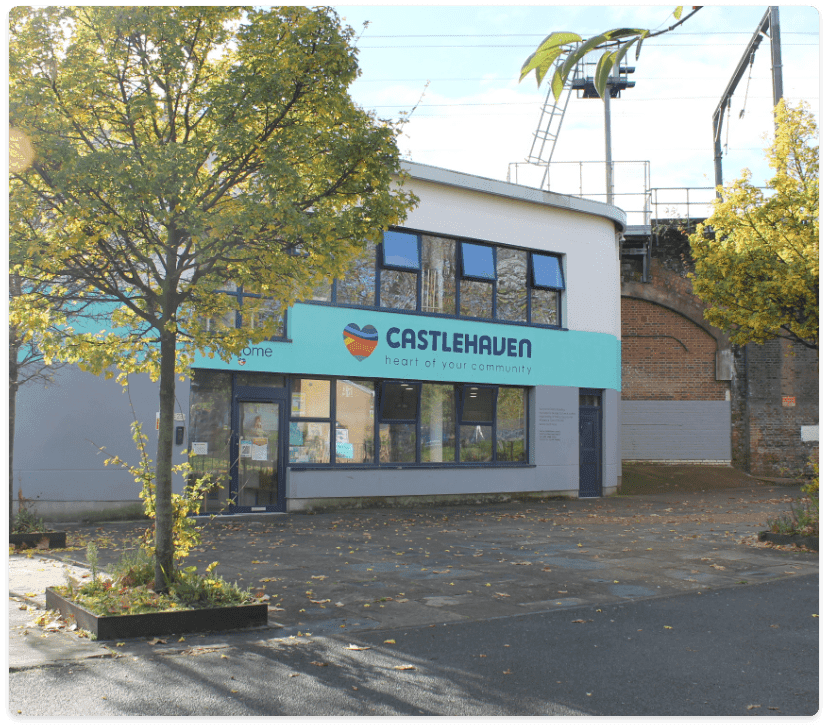
About Castlehaven Food Bank
Our Food Bank began as a reaction to the Covid-19 pandemic, financial hardships and job losses in the local area. We've been using Plinth at Castlehaven the whole time I've been here.
We use Plinth to log our food bank users when they attend each week. I can create a list of people coming, create a mail merge and print out sheets of what to pack for each household to give to our volunteers. Afterwards, we use it for reporting, which has been difficult to do in the past, but we've not got it set up in a clever way using the calendar that's going to make it a lot easier in future. Location: Camden, London. Since October 2020.
Q&A with Castlehaven Food Bank
The questions and answers below are also output as FAQ structured data (JSON-LD) on this page for search engines and other tools.
How would you describe Plinth generally?
It's good to have everything in one place, where everyone who has permission can access it. It's a safe place to keep data and comply with GDPR etc.
How does it compare to other systems you’ve used?
In previous jobs, I've used Salesforce and Maginus (bespoke software for the wine trade). They've all got their little quirks and things you have to get used to using.
Plinth is similar, but compared to many others, Plinth is cheap, or indeed free. That's a massive positive for a charity keeping their cost down.
How does it compare to using spreadsheets?
It makes it easier to record anything that's said. You'd have to have a more advanced knowledge of Excel to get the same out of it as you do with Plinth.
It feels like it’s made ready for us.
But also, Excel tends to be quite boring data. You don't get the little stories.
On Plinth, I can record nice comments, thank you messages, dates of children's birthdays etc. Other people in the team can see it, and it's just a much easier way of communicating and keeping records.
It's a lot easier to keep those kind of text records, because you've got case notes built in.
It feels like it’s made ready for us.
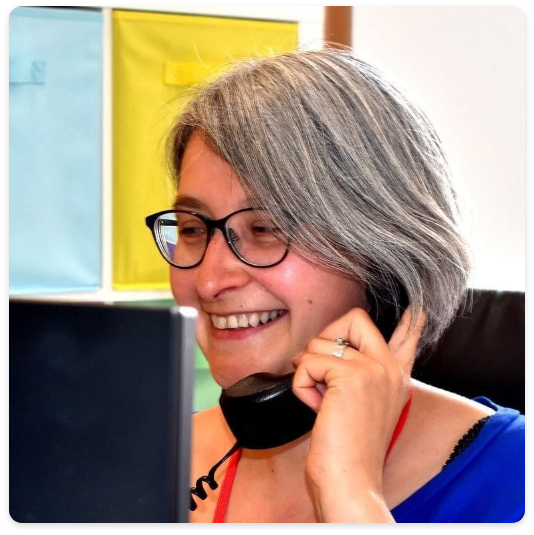
Beatrix Neillie
Team Administrator, Castlehaven Food Bank
Any advice for people wanting to get started with Plinth?
I would say the best point about it is your team. You're very responsive and helpful.
Ask questions.
Things have been improving all the time, being made more user friendly, more bespoke, and that's clearly come from people like us asking questions.
It's a versatile, personal service, so that's really nice.
For example, I just raised with Will last week that it was quite difficult to do some reporting we needed. He immediately suggested an alternative. Now we'll have the record of each week's usage automatically, so it's much easier than changing things each time and exporting to spreadsheets.
So I would say, asking the question, even if it's really obvious, or if it doesn't seem to matter.
How was it getting started for the first time?
Seemed quite easy to get to use. Of course you don't know what you don't know. You don't know what you could be doing more easily. So some training was helpful.
Author

Sean Sinanan
Impact Lead
Oxford (PPE) graduate: social mobility, youth empowerment, and TechForGood work after the Civil Service—focusing on how technology can be used for community benefit, including social impact (see our team page for the full profile).
Sean on LinkedInThis page is published by Plinth to explain how organisations use the platform. Castlehaven Community Association (Food Bank) is an independent organisation; inclusion here does not imply that they endorse every statement Plinth may make elsewhere, or that every product capability applies identically in other settings. Numbers and public impact claims should be confirmed with the organisation where needed.